
Homeless Encampments
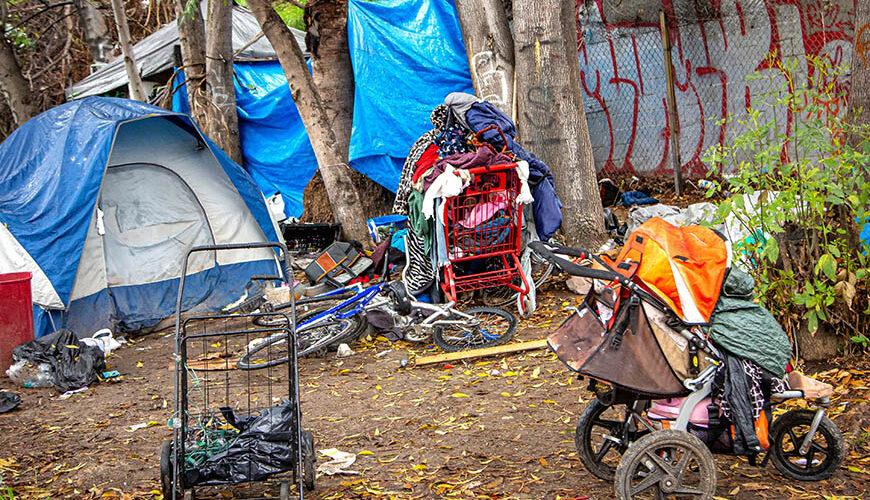
Southern California Homeless Encampments
Southern California faces a persistent homelessness crisis marked by large encampments in cities like Los Angeles and surrounding communities. A shortage of affordable housing, high living costs, mental health and substance issues, and fragmented services contribute to people living in tents, RVs, and public spaces. Encampments often create unsanitary conditions, generate trash, and block sidewalks and roadways, leading to frustration among residents and business owners. Efforts to clear camps are frequent but temporary, as displaced individuals often relocate nearby. Officials struggle to balance public health, legal challenges, and connecting people with permanent housing and supportive services.
Who is Responsible for Closing a Homeless Encampment?
According to calrecycle.ca.gov “Local governmental agencies, as well as state and federal agencies, may abate homeless encampments on public property by using existing statutes and local housing, health and safety, water, and penal codes to order the residents to the encampments to leave and then summarily abate the wastes that remain. The failure of the responsible party to abate a public nuisance can be prosecuted as a misdemeanor, and the court can also order abatement of the nuisance. The private property owner can use the same codes to initiate abatement of homeless encampments on their property, and/or the local governmental agencies can order the property owner to abate the encampments.”
How does BioSecure Solutions Clean a Homeless Encampment?
BioSecure Solutions approaches a homeless encampment cleanup with careful planning, safety protocols, and regulatory compliance. The process begins with a detailed site assessment to identify hazards such as human waste, used needles, drug paraphernalia, spoiled food, rodent infestation, and contaminated debris. Technicians establish controlled work zones and wear appropriate personal protective equipment (PPE), including respirators, gloves, and protective suits. Sharps are collected using puncture-resistant containers, and all biohazardous materials are carefully bagged and labeled for proper disposal according to state and federal regulations.
After debris removal, crews clean and disinfect affected surfaces using hospital-grade disinfectants to eliminate bacteria, viruses, and odors. Soil remediation may be required in heavily contaminated areas. The final steps include deodorization, sanitation verification, and documentation for property owners or municipalities, ensuring the site is restored to a safe, compliant condition.
What Dangers do Homeless Encampments Pose?
- GarbageCity trash disposal is not typically available to homeless encampments. Unfortunately, this presents a situation whereby common everyday household trash builds up around the encampment. This trash attracts disease carrying rodents that can cause sickness and illness to residents of the encampment.
- Human and Animal Biological WastesHomeless encampments often lack proper bathroom facilities and residents are unable to dispose of fecal matter and urine. Additionally, animal waste is often found within and around homeless encampments. Without proper collection and disposal, these biohazards can contaminate ground and surface water supplies, transmit diseases, and produce offensive odors.
- Combustible and Noncombustible RubbishDiscarded materials such as wood, paper, bedding, clothing, metals & glass typically litter a homeless encampment. Some of these items provide a perfect source of fuel if an ignition source is nearby.
- Sharps, Drugs and Biohazard WasteMany residents of homeless encampments are drug users. It's not uncommon to find used needles, syringes and bloody tissues scattered about the encampment. These biohazards can be contaminated with any number of communicable diseases.
Sat-Sun: Open 24/7
Service Area
- Los Angeles
- Long Beach
- Santa Monica
- Pasadena
- Glendale
- Burbank
- And, Other Cities
- Ventura
- Oxnard
- Santa Barbara
- And, Other Cities
Los Angeles County
Ventura & Santa Barbara Counties
- San Diego
- Chula Vista
- Oceanside
- Escondido
- Carlsbad
- San Marcos
- And, Other Cities
- El Centro
- Imperial Beach
- And, Other Cities
San Diego County
Imperial County
- Anaheim
- Santa Ana
- Irvine
- Huntington Beach
- Newport Beach
- Laguna Beach
- And, Other Cities
Orange County
- Riverside
- San Bernardino
- Ontario
- Corona
- Fontana
- Temecula
- And, Other Cities
Riverside & San Bernardino Counties